

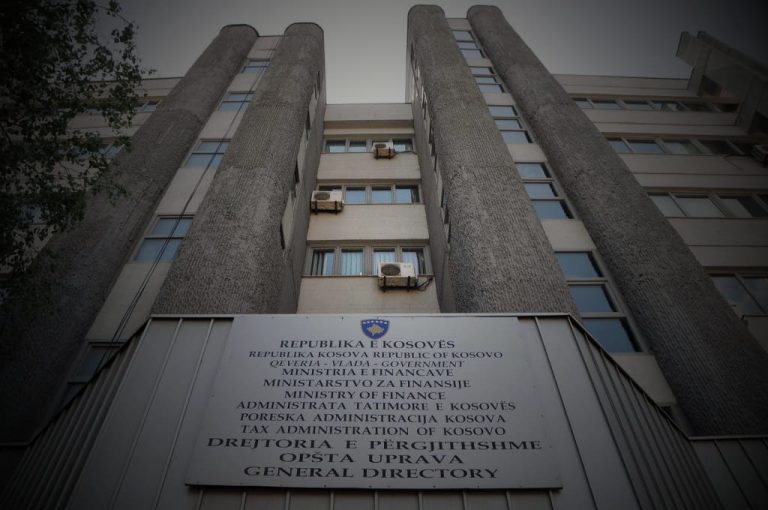
A non-resident taxpayer is any individual or legal entity that generates income in Kosovo but does not meet the criteria for being considered a tax resident under Kosovo legislation. These criteria include, among others, physical presence for a specified period or the management of the principal business from within Kosovo.
Non-resident taxpayers may be divided into several categories:
- International businesses: Companies that provide services or sell products in Kosovo without having a registered office or branch.
- Foreign investors: Individuals who generate income from immovable property, interest, dividends, or rental activities in Kosovo.
- International individuals: Professionals who provide specialized services or carry out temporary projects in Kosovo.
Obligation to Register with TAK
Non-resident taxpayers are required to register with the Tax Administration of Kosovo (TAK) when they:
- Generate income that is subject to taxation in Kosovo;
- Provide services within the territory of Kosovo;
- Invest in immovable property or develop projects in Kosovo.
Registration with KBRA
Registration with the Kosovo Business Registration Agency (KBRA) is not mandatory for non-resident taxpayers who carry out temporary activities or do not maintain a permanent presence in Kosovo.
Such registration is required only if the taxpayer establishes an office, branch, or legally registered entity.
Bank Accounts for Non-Resident Taxpayers
Non-resident taxpayers may open a bank account in Kosovo to manage their financial transactions. However, this requires prior registration with TAK and obtaining a fiscal number.
Fiscal Representatives and Their Responsibilities
Law No. 08/L-257 on Tax Administration and Procedures, Article 4, paragraph 7, requires non-resident taxpayers to appoint a fiscal representative who is a resident of Kosovo.
Fiscal representatives have significant responsibilities, including:
- Registering the non-resident taxpayer with TAK;
- Submitting tax returns and making tax payments;
- Maintaining supporting documentation;
- Communicating with TAK and other relevant institutions.
Liability for Unpaid Tax Debts
The law provides that fiscal representatives are liable for the unpaid tax debts of the non-resident taxpayers they represent.
TAK may seek payment of these debts from the assets of the fiscal representative. In certain circumstances, TAK may also require the submission of a bank guarantee at the time of registration.
Challenges and Recommendations
The current approach places a considerable burden on fiscal representatives, as they often have no control over the assets of the non-resident taxpayers they represent.
For this reason, it is essential that fiscal representatives:
- Require clear contractual agreements with non-resident taxpayers, defining their respective responsibilities and financial guarantees;
- Establish protective measures, such as requiring deposits or insurance, to mitigate the risk of non-compliance with tax obligations by the taxpayer.
Conclusion
Non-resident taxpayers and their fiscal representatives bear significant responsibilities for fulfilling tax obligations in Kosovo.
Fiscal representatives must exercise caution in managing their obligations by ensuring clear contractual arrangements and planning the necessary measures to protect themselves against financial risks.
The current legal framework should be reviewed to ensure that fiscal representatives are not held financially liable for tax debts in circumstances where they have no access to or control over the assets of the non-resident taxpayer.
For example, if a fiscal representative has fulfilled their obligations by declaring the tax and informing the taxpayer of the payment requirement, but the taxpayer fails to make the payment, the representative should not be required to cover the debt from their personal assets.
Such an amendment would establish a fairer legal framework and reduce the unreasonable burden placed on fiscal representatives.
Author: Florin Lata
